

In Southern Colorado, construction projects face unique subsurface conditions that can quickly turn a promising build into an expensive headache if left unchecked. Jesik Consulting & Engineering knows from experience that skipping or rushing a geotechnical site investigation often leads to foundation cracks, uneven settlement, delayed schedules, and budget overruns that could have been avoided. Geotechnical site investigations deliver the detailed subsurface data builders, developers, and engineers need to move forward with confidence. By identifying soil types, groundwater levels, bedrock characteristics, and potential hazards early, the process helps clients design structures that stand the test of time without unexpected changes during construction. This proactive step transforms uncertainty into a clear, actionable plan tailored to the specific site.
Geotechnical Site Investigations: Essential for Avoiding Construction Pitfalls in Southern Colorado
Southern Colorado’s varied terrain requires careful planning long before the first shovel hits the ground. Geotechnical site investigations map out exactly what lies beneath the surface, giving project teams the information they need to select the right foundation systems, grading approaches, and construction methods. Without this data, teams often rely on assumptions that do not hold up once excavation begins. The investigations reveal the full picture of soil strength, compressibility, and expansion potential so that designs can account for real conditions rather than guesses.
Early involvement makes a significant difference because the cost of a thorough geotechnical site investigation represents only a small fraction of total project expenses, yet it can prevent rework that multiplies those costs many times over. In work across residential, commercial, industrial, transportation, and mining developments, projects with complete geotechnical data proceed smoother, finish on schedule, and require fewer change orders. The process also satisfies permitting requirements and provides documentation that supports insurance and financing needs. When reports are delivered, clients gain clear recommendations that integrate directly into architectural and structural plans, reducing the risk of surprises that disrupt timelines and inflate budgets. Taking this step at the outset allows every stakeholder to align expectations and avoid the common pitfalls that arise from incomplete subsurface information.
Geotechnical Soil and Bedrock Evaluation: Addressing Regional Variables
Southern Colorado presents a range of soil and geologic conditions that demand targeted evaluation. The key factors assessed during every investigation help clients understand exactly what is being examined and why each element matters to long-term project success.
Common Soil Conditions Evaluated
- Expansive clays that swell when wet and shrink when dry, creating significant pressure on foundations and slabs
- Collapsible soils that lose strength upon wetting and can cause sudden settlement
- Variable density layers that affect bearing capacity and require specific compaction or stabilization strategies
- Corrosive soils that can degrade concrete and steel elements over time if not properly addressed
- Areas with shallow bedrock that influence excavation difficulty and foundation depth choices
Geological Features Mapped and Analyzed
- Groundwater fluctuations that impact drainage design and long-term stability
- Slope stability risks on hillside or cut-and-fill sites
- Potential for differential settlement across a single building footprint
- Seismic considerations relevant to the region’s tectonic setting
By documenting these elements with precision, the data needed to adapt designs to actual site realities rather than generic assumptions is provided. This evaluation phase ensures that every recommendation made is grounded in site-specific evidence, giving clients the ability to build safely and economically while minimizing the chance of costly field adjustments later in the project lifecycle.
Geotechnical Investigation Methodology: Ensuring Comprehensive Data Collection
Jesik Consulting & Engineering follows a proven, systematic approach to every geotechnical site investigation performed. The process begins with a thorough review of available geologic maps, historical records, and nearby project data to develop an initial understanding of expected conditions. A site reconnaissance visit is then scheduled to observe surface features, topography, drainage patterns, and any visible indicators of subsurface behavior that could influence the investigation strategy.
Field work follows with strategic drilling and sampling at locations selected to represent the entire buildable area. Crews use in-house drilling equipment to maintain tight control over scheduling and quality, allowing quick response and the collection of undisturbed samples for laboratory analysis. Soil and rock strata are logged in detail, noting color, texture, consistency, and any unusual features such as fractures or moisture changes. In-situ testing provides immediate data on density and strength, while monitoring wells are installed when groundwater information is critical for the project.
Laboratory testing on recovered samples determines key engineering properties including grain-size distribution, Atterberg limits, swell potential, consolidation characteristics, and shear strength. These results are analyzed alongside field observations to develop a complete subsurface model. Engineers then prepare a formal report that includes boring logs, laboratory data summaries, cross-sections, and clear recommendations for foundations, slabs, pavements, retaining structures, and site grading. Every report produced is written in straightforward language so that contractors, architects, and owners can implement the findings without confusion or the need for additional interpretation.
Geotechnical Testing and Analysis: Tools and Techniques Employed
Field services combine specialized equipment and experienced personnel to gather the highest-quality data possible. In-house drilling rigs ensure direct control over mobilization, sampling methods, and safety protocols. Key components of the geotechnical testing program include the following:
- Geotechnical drilling and sampling using hollow-stem auger and rock coring techniques to reach required depths
- Soil and rock logging performed by licensed engineers or geologists who classify materials according to standardized systems
- Pile pull testing to verify deep foundation capacity when driven or drilled piers are under consideration
- Electrical resistivity testing to assess soil corrosivity and identify potential utility impacts
- Infiltration testing for sites requiring stormwater management or onsite wastewater systems
- Asphalt and concrete core drilling during pavement evaluations or forensic studies
- Monitoring well installation and sampling to track groundwater levels and chemistry over time
- On-site density testing and Proctor compaction analysis to guide earthwork specifications
Field efforts are supplemented with accredited laboratory testing that measures moisture content, plasticity, swell/consolidation behavior, and chemical properties. This combination of in-house capabilities and rigorous protocols allows accurate results to be delivered faster than firms that outsource drilling or testing. Clients benefit from consistent data quality and the ability to adjust investigation scope on the spot when unexpected conditions appear during fieldwork.
Geotechnical Recommendations: Guiding Safe and Efficient Construction
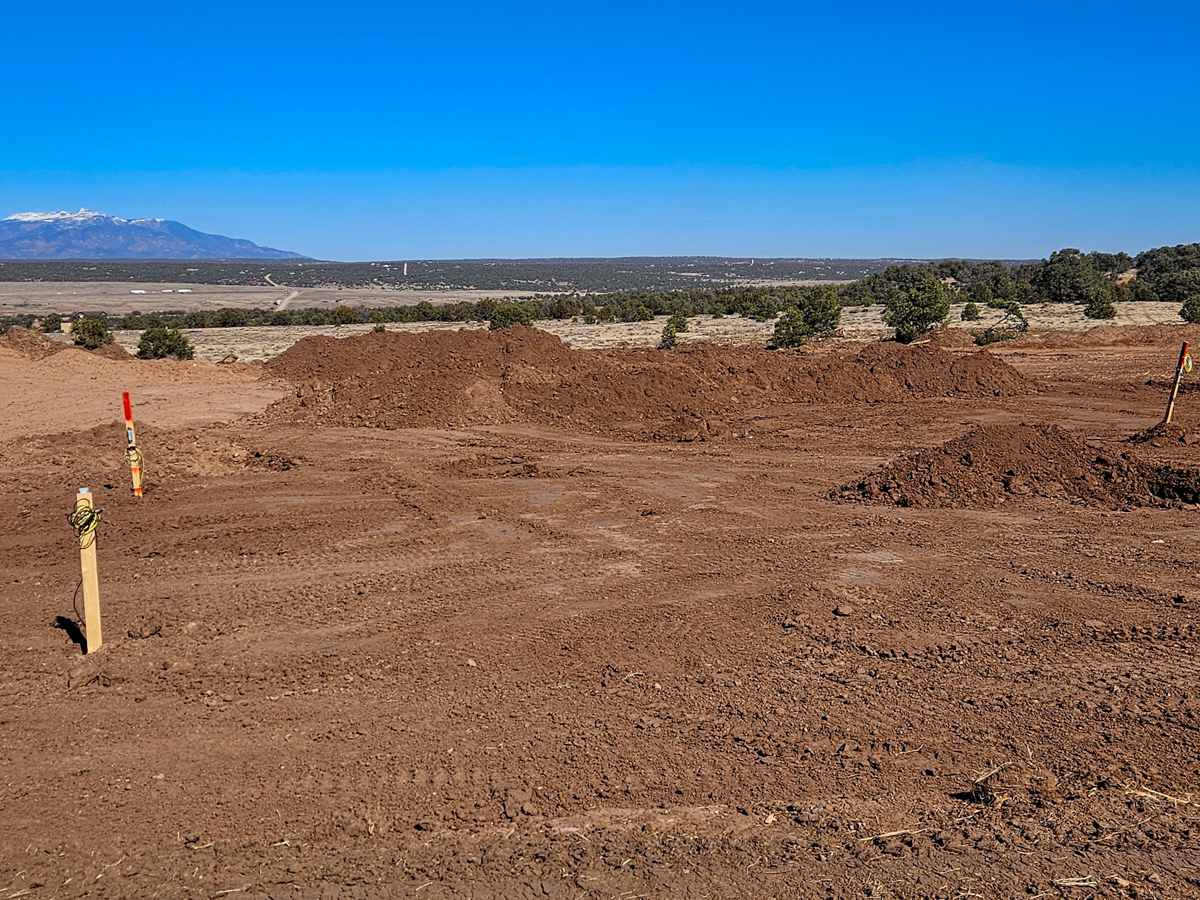
Once all field and laboratory data are compiled, findings are translated into practical recommendations that directly support construction success. Appropriate foundation types—shallow spread footings, mat foundations, or deep drilled piers—are specified based on actual bearing capacities and settlement tolerances. For sites with expansive soils, over-excavation and replacement options, moisture control measures, and structural stiffening techniques that minimize movement are outlined in detail.
Guidance on site grading, drainage improvements, and earth retention systems is provided when slopes or excavations are involved. Pavement sections receive detailed cross-section designs that account for subgrade strength, traffic loading, and local climate factors. Where soil stabilization is beneficial, mechanical and chemical options are evaluated and the most cost-effective approach is recommended. Construction plans are reviewed to confirm they align with the geotechnical report, catching any discrepancies before work begins and preventing expensive redesigns.
These recommendations are not generic templates. Every detail is tailored to the project’s size, intended use, and budget constraints so that clients receive solutions that are both technically sound and economically practical. The result is a construction document package that reduces risk, streamlines permitting, and gives contractors clear expectations for performance throughout every phase of the build.
The Value of Local Geotechnical Expertise in Southern Colorado
Operating from the base in Pueblo provides intimate knowledge of Southern Colorado’s subsurface patterns that out-of-area firms often lack. Thousands of borings have been logged across the region, and the way local geology transitions from one valley to the next is well understood. This familiarity translates into more efficient investigations, fewer unexpected findings during construction, and recommendations that reflect real-world performance of nearby structures.
Local presence also means faster response times for both initial investigations and construction observation services. When a contractor encounters a condition that requires immediate evaluation, mobilization can occur quickly without long travel delays. Strong working relationships with local permitting agencies are maintained, which helps projects move through review processes more smoothly. Most importantly, reports that contractors can actually build from are delivered—written in language they understand and backed by data they trust—ensuring the entire team works from the same reliable foundation of information.
Preparing Your Project for Geotechnical Site Investigations
To get the most value from a geotechnical site investigation, a few straightforward steps streamline the process and ensure comprehensive results:
- Provide detailed project plans including proposed building locations, grading limits, and utility layouts as early as possible
- Share any previous soil reports or boring data from adjacent properties
- Schedule the investigation after preliminary site clearing but before major grading begins
- Plan for adequate access routes and space for drilling equipment
- Coordinate with utility locate services well in advance
- Budget for both the investigation phase and any recommended follow-up testing during construction
By preparing these elements upfront, the most relevant data on the first visit is delivered and costly additional mobilizations later are avoided.
Taking the Next Step with Professional Geotechnical Support in Southern Colorado
Ready to protect your project from costly surprises? Jesik Consulting & Engineering is here to help you get started with a professional geotechnical site investigation tailored to your needs in Southern Colorado. Contact us today to request a consultation and let the experienced team provide the reliable subsurface insights your project deserves. Whether you are planning a new residential development, commercial facility, or infrastructure improvement, geotechnical expertise will keep your construction on track, on budget, and built to last. Reach out now and take the first step toward a successful build.
Need Engineering Support for Your Project?
Jesik Consulting & Engineering works with municipalities, utilities, and developers to deliver accurate data, efficient design, and dependable results. Connect with our team to discuss your project requirements.
Like this article? Spread the word!
Related Posts

Jesik Consulting & Engineering’s Guide to Soil Testing Before You Build in Colorado
Wondering what a soil test involves before you build in Colorado? Learn what to expect…
Good Engineering Isn’t About Spending More Money
Good engineering balances safety and budget. See how cost-effective engineering protects…
Soil & Compaction Testing 101: What Contractors Need to Know Before Pouring
Learn how soil compaction testing works, from Proctor targets to field density tests, and…