


If you’re planning a construction project in Colorado, one of the most important early steps is understanding what’s actually beneath your site. Soil conditions vary widely across the state, from expansive clay soils along the Front Range to variable subsurface conditions in Southern Colorado’s valleys and foothills. A soil test gives engineers, contractors, and property owners the data they need to design a safe, cost-effective foundation and avoid costly surprises once construction begins. Whether you’re building a new commercial facility, a municipal project, or expanding an existing site, soil testing helps confirm what your project actually needs before you commit to a design. In this guide, we’ll walk through why soil testing matters, what it typically involves, how the results shape decisions throughout your project, and what to ask your engineering team before you move forward in Colorado.
Why Soil Testing Matters Before You Build in Colorado
Every construction project starts below the surface, long before the first piece of equipment for the visible build arrives on site. Soil testing gives project teams a clear picture of what they’re working with, including soil composition, moisture content, bearing capacity, and the presence of expansive or unstable materials. Without this information, designers are left guessing, which can lead to underdesigned foundations, unexpected settlement, or costly change orders once construction is underway.
For many projects across Colorado, a geotechnical soil test isn’t just a best practice, it’s a requirement. Municipalities, counties, and permitting agencies frequently require a soils report before approving building plans, particularly for commercial, industrial, and public infrastructure projects. Skipping this step, or relying on outdated or incomplete data, can delay permitting and add unplanned costs later in the process.
Soil testing also protects your budget. Identifying soil challenges early, whether that’s expansive clay, high groundwater, or poor load-bearing capacity, allows your design team to plan for it from the start rather than reacting to it mid-construction. This is especially valuable for larger developments, municipal facilities, and energy projects where design changes late in the process can be expensive and time-consuming. Even smaller commercial and residential-adjacent projects benefit, since a clear soils report early on tends to prevent the kind of disputes and delays that come up when conditions are discovered mid-build instead.
At Jesik Consulting & Engineering, our geotechnical and geological engineering services are built around this principle: accurate data upfront leads to fewer surprises later. Our team works directly with property owners, developers, and municipalities throughout Colorado to identify site conditions early so your project can move forward with confidence.
What Happens During a Soil Test for Construction
A soil test for construction typically involves several coordinated steps, all designed to give your engineering team an accurate picture of subsurface conditions before design work begins.
- Site investigation and drilling: Using dedicated drill rigs, our field crews collect soil samples from multiple depths and locations across your site to capture a full picture of subsurface conditions.
- Soil boring tests: Borings help identify soil layers, groundwater depth, and any variability across the site that could affect foundation design.
- Laboratory analysis: Samples are sent to our AASHTO-accredited laboratory for testing, including soil classification, compaction testing, and R-value analysis to determine load-bearing capacity.
- Compaction and density testing: Soil compaction tests measure how well soil can be compacted to support structural loads, which is especially important for pavements, slabs, and building foundations.
- Reporting and recommendations: Once testing is complete, your engineering team compiles the findings into a soils report with practical recommendations for foundation type, soil modification if needed, and construction considerations.
The exact scope of testing depends on your project type and site conditions. A small commercial addition may only need a handful of borings and basic classification testing, while a larger municipal or infrastructure project may require a more extensive investigation, including slope stability analysis or specialized testing for expansive soils. Our team scopes each soil test around your project’s actual needs, so you’re not paying for testing you don’t need, and you’re not missing testing that could affect your design. Because our drilling crews and AASHTO-accredited lab operate under one roof, samples move from the field to testing without the delays that come from coordinating between separate subcontractors, which keeps your project on schedule.
Common Soil Challenges Colorado Builders Should Plan For
Colorado’s geology varies dramatically from one region to the next, and that variation has a direct impact on how a project should be designed and built.
Expansive clay soils are one of the most common challenges statewide, particularly across the Front Range and parts of the Arkansas River Valley. These soils absorb moisture and swell, then shrink as they dry, which can crack foundations and slabs if it isn’t accounted for in the design. Identifying expansive soils early allows engineers to recommend the right foundation type and moisture control measures from the start, rather than addressing cracking or settlement after the building is already occupied.
In Southwestern Colorado, including areas around Durango, variable subsurface conditions, such as rock, mixed soil layers, and higher groundwater in some locations, require a more detailed site investigation to avoid surprises during construction. Slope stability is also a common consideration for hillside developments and infrastructure projects in these areas, and it often changes both the scope of testing and the design recommendations that follow.
Other regions face different challenges altogether, from poor load-bearing soils that require stabilization or deeper foundations, to sites with high groundwater that complicate drilling and construction staging. No two sites are identical, even within the same city, which is why soil testing is done on a site-specific basis rather than relying on general assumptions about a region’s geology.
Understanding these regional patterns helps our team anticipate likely challenges before drilling even begins, but every recommendation we make is based on the actual data collected at your site, not assumptions about what usually happens in a given area. That distinction matters, especially for projects where a generic soils assumption could lead to an under-built foundation.
How Soil Data Shapes Foundation and Site Design
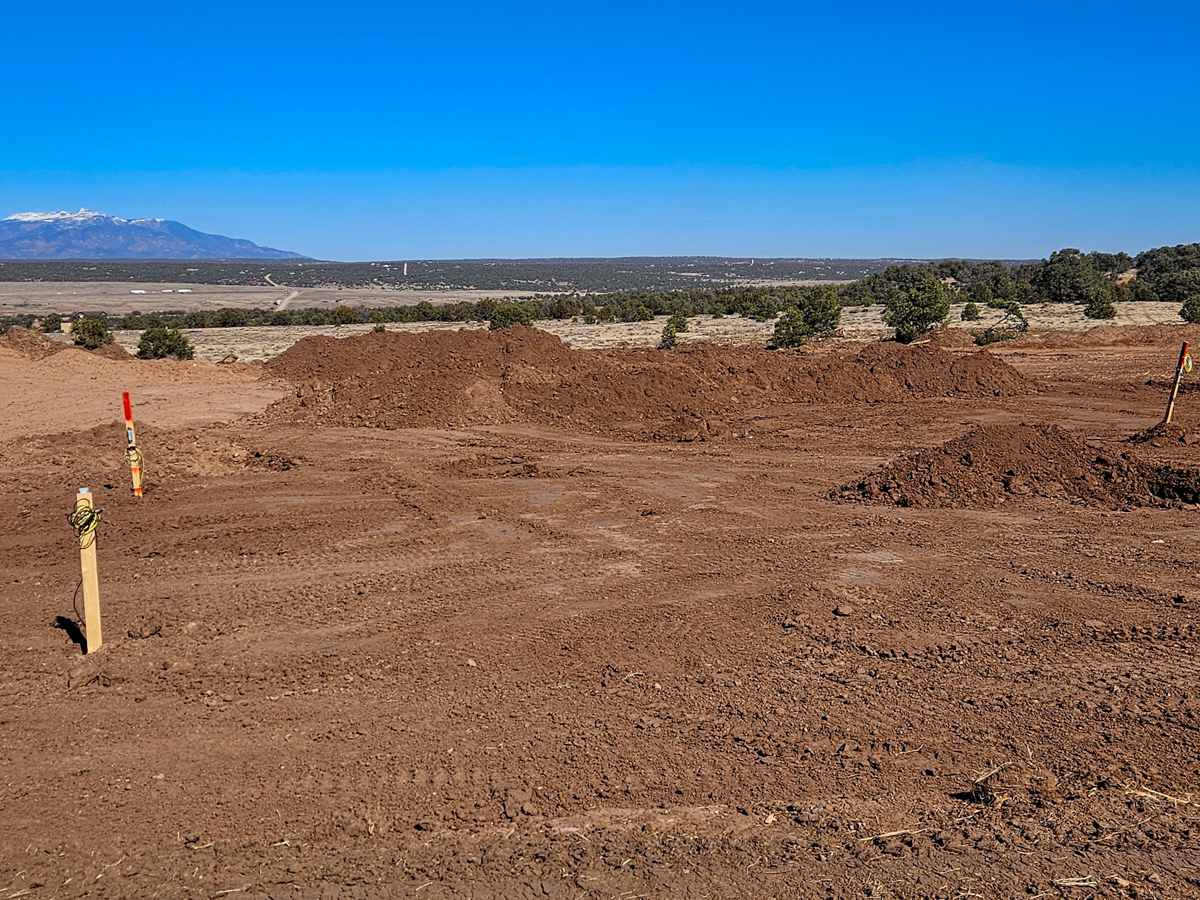
The results of a soil test directly influence some of the most important decisions your design team will make, long before construction begins.
- Foundation type: Soil bearing capacity and composition determine whether a shallow foundation is sufficient or whether a deeper foundation system is needed to reach more stable soil.
- Soil modification: In areas with poor or expansive soils, testing results may point to soil stabilization, over-excavation, or other modification methods to create a suitable building pad.
- Pavement and slab design: For roads, parking lots, and industrial slabs, compaction and R-value testing inform pavement thickness and material selection to support expected traffic loads.
- Drainage and grading: Soil permeability data helps determine how water will move through and around your site, which affects grading plans and drainage design.
- Retaining wall and slope design: On sites with grade changes or hillside development, soil data is essential for designing retaining structures and evaluating slope stability.
These decisions carry real cost implications. A foundation designed around accurate soil data is typically more cost-effective than one designed around assumptions, because it avoids over-engineering as well as underdesigning for conditions the site doesn’t actually have. Our civil engineering services work hand in hand with our geotechnical team to translate soil data into practical site design, so every recommendation reflects both the engineering requirements and the realities of your budget and timeline. This coordination matters most when a site presents more than one challenge at once, such as expansive soil combined with a grade change, where the foundation and drainage decisions need to be made together rather than separately.
When to Schedule Soil Testing in Your Project Timeline
Timing matters when it comes to soil testing. The earlier it happens in your project timeline, the more useful the results are for design and budgeting decisions.
For most projects, soil testing should happen during the early planning or pre-design phase, before architectural or civil plans are finalized. This allows your design team to incorporate soil recommendations from the start, rather than revising plans after the fact. For projects that require permitting, many municipalities and counties will not approve building plans without a completed soils report, so early testing also helps keep your permitting timeline on track.
For larger or grant-funded projects, scheduling soil testing early is especially important. Grant timelines are often tight, and delays caused by incomplete geotechnical data can put funding deadlines at risk. Coordinating testing, drilling, and lab analysis early gives your project the buffer it needs to stay on schedule, and it gives your team time to adjust the budget if the results call for soil modification or a different foundation approach.
If you’re working with an existing site or renovating a structure, soil testing may still be worthwhile, particularly if you’re adding load, changing the building’s footprint, or if the original soils report is outdated or unavailable. Our field services team can help determine whether new testing is needed based on your project’s scope and history.
Whatever stage your project is in, the sooner soil conditions are understood, the more flexibility your team has to plan around them.
Soil Testing Checklist: What to Ask Before You Build
Before you finalize your project plans, it’s worth confirming a few key points about soil testing with your engineering team.
- Has a soil test been completed for this specific site, not just the general area?
- Does the scope of testing match your project type, such as a building, pavement, or retaining wall?
- Will the results include practical recommendations, not just raw data?
- Has soil testing been scheduled early enough to avoid delaying permitting or design?
- If soil challenges are identified, has a plan been discussed for addressing them, such as soil modification or a different foundation approach?
Working through these questions early helps avoid delays and unexpected costs later in the project. If you’re not sure where your project stands, our team can help you figure out what’s needed and when, based on your site and your project type rather than a generic checklist. We also provide geotechnical and engineering support for municipalities and public works projects across Colorado, so whether your project is private or public, there’s a path forward that fits your timeline and budget.
Start Your Project With Confidence
Soil testing is one of the most valuable steps you can take early in a construction project, giving you the data you need to design smart, avoid costly surprises, and keep your project moving forward. Whether you’re planning a commercial development, a municipal facility, or an infrastructure project anywhere in Colorado, our team is ready to help you understand what’s beneath your site and what it means for your build.
If you’re ready to move forward with confidence, request a consultation with our team today, and let’s talk about your project’s soil testing needs.
Need Engineering Support for Your Project?
Jesik Consulting & Engineering works with municipalities, utilities, and developers to deliver accurate data, efficient design, and dependable results. Connect with our team to discuss your project requirements.
Like this article? Spread the word!
Related Posts

Geotechnical Site Investigations in Southern Colorado: Preventing Costly Surprises Before Construction Begins
Prevent costly construction surprises in Southern Colorado with expert geotechnical site…
Good Engineering Isn’t About Spending More Money
Good engineering balances safety and budget. See how cost-effective engineering protects…
Soil & Compaction Testing 101: What Contractors Need to Know Before Pouring
Learn how soil compaction testing works, from Proctor targets to field density tests, and…