

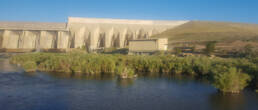
Geotechnical engineering forms the unseen backbone of every successful construction project. In Pueblo, CO, where soil and rock conditions vary significantly across even short distances, understanding the ground beneath a site is not optional—it is essential. Without proper geotechnical input, projects face risks ranging from unexpected settlement to structural cracks, costly change orders, and long-term performance issues. Our team at Jesik Consulting & Engineering has spent years helping clients navigate these realities through expert analysis, testing, and design recommendations tailored to local conditions.
Geotechnical engineering examines soil, rock, and groundwater to determine how they will interact with proposed structures. This discipline delivers data-driven insights that guide foundation choices, grading plans, and construction methods. In Pueblo, the convergence of river systems and diverse geological formations creates a landscape that demands careful evaluation. Ignoring these subsurface realities can lead to foundation movement, pavement distress, or slope failures that compromise safety and inflate budgets. We see geotechnical engineering as the critical first step that protects investments and ensures projects meet their intended lifespan.
Geotechnical Engineering Essentials for Pueblo Projects
Geotechnical engineering begins long before any shovel breaks ground. It involves systematic evaluation of subsurface materials to predict behavior under load, moisture changes, and environmental stresses. For projects in Pueblo, this knowledge directly influences design decisions that affect everything from single-family homes to large commercial facilities and infrastructure improvements.
Proper geotechnical work reduces uncertainty. When we conduct thorough investigations, we provide engineers and builders with clear parameters for bearing capacity, settlement estimates, and material suitability. This information allows for optimized designs that balance safety with economy. Projects that skip or shortcut these steps often encounter surprises during construction—unexpected soft layers, high groundwater, or expansive materials—that require expensive fixes.
In Pueblo, the importance of geotechnical engineering grows with the scale and complexity of the work. Residential developments, commercial buildings, roadways, and utility installations all rely on stable ground support. Our local presence means we understand the patterns that repeat across the area, allowing us to anticipate conditions and recommend practical solutions that keep projects on schedule and within budget.
Geotechnical Site Investigations: Uncovering Subsurface Conditions in Pueblo
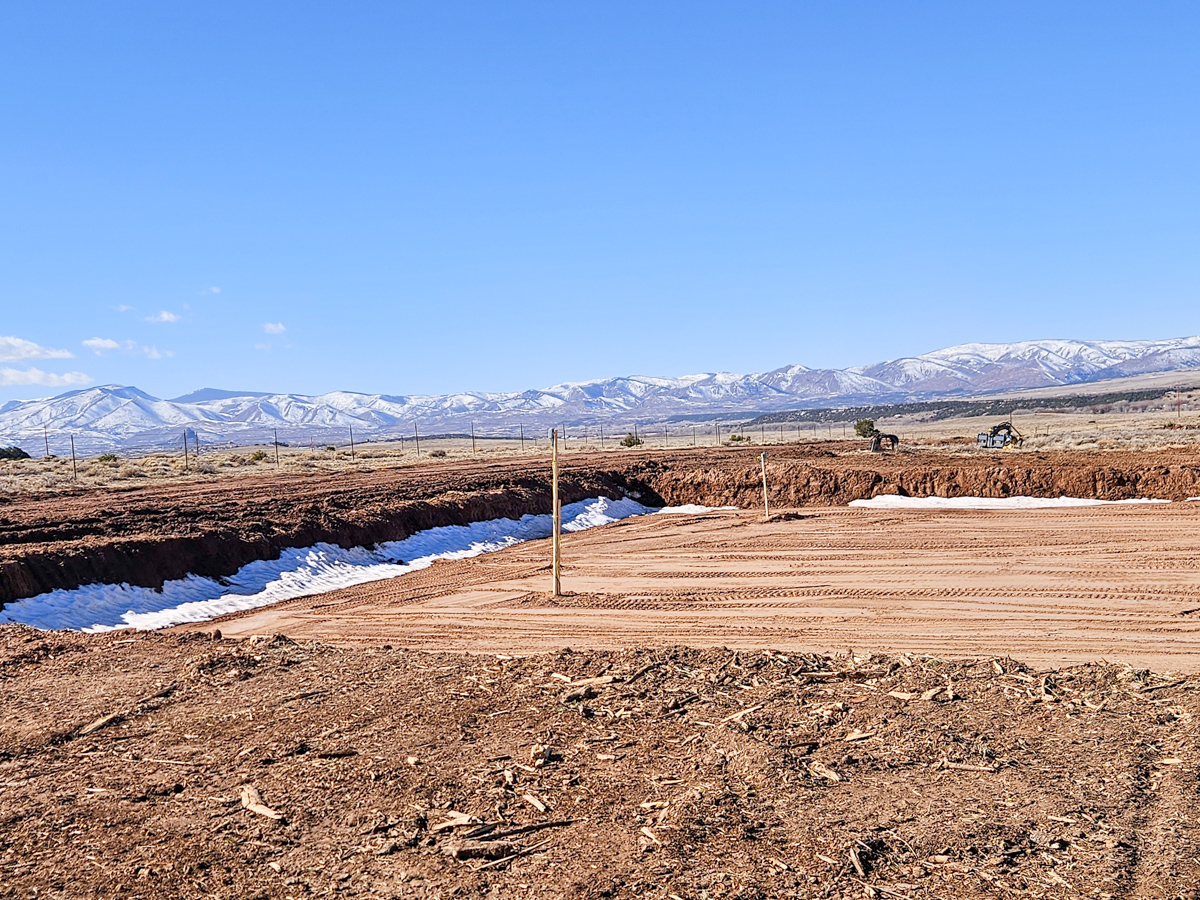
We begin every engagement with targeted geotechnical site investigations that reveal what lies beneath the surface. These investigations combine field exploration, sampling, and laboratory analysis to build a complete picture of soil and rock properties.
Our process includes several key steps:
- Drilling and test pitting to access soil and bedrock at multiple depths and locations across the site.
- In-situ testing such as Standard Penetration Tests (SPT) and cone penetration testing to measure soil density and strength directly in the ground.
- Soil and rock sampling for detailed laboratory evaluation of classification, strength, compressibility, and expansion potential.
- Groundwater monitoring to assess seasonal fluctuations and their potential impact on foundations or excavations.
- Geological mapping to identify any bedrock features or faulting that could influence site stability.
These steps produce data that informs every subsequent design choice. We then review the results and prepare clear, actionable reports that outline findings and recommendations. Builders and designers receive specific guidance on foundation types, allowable bearing pressures, and any necessary mitigation measures. This upfront investment in investigation routinely saves significant time and money by preventing construction delays and redesigns.
Geotechnical Analysis and Foundation Design in Pueblo Developments
Once we understand the subsurface profile, our analysis focuses on how the ground will support the proposed structure. Foundation and concrete slab recommendations emerge directly from this evaluation. We calculate expected settlement, evaluate bearing capacity, and assess risks associated with expansive or collapsible soils common in the region.
Shallow foundations work well in competent materials, while deep foundations such as drilled piers become necessary where softer layers or high expansion potential exist. We also address concrete slab-on-grade performance by recommending appropriate moisture control measures and reinforcement strategies. Slope stability analysis guides cut-and-fill operations, and retaining wall design ensures long-term performance where grade changes are required.
Pavement evaluation and cross-section design receive equal attention. We determine subgrade support values and recommend thickness and material specifications that resist rutting, cracking, and frost-related damage. Soil stabilization techniques, whether mechanical or chemical, can improve marginal soils and reduce the need for costly imported fill.
Throughout this phase we emphasize practical, constructible solutions. Our recommendations balance technical requirements with real-world construction considerations, ensuring that designs are both safe and buildable under typical Pueblo site conditions.
The Benefits of Professional Geotechnical Engineering for Pueblo Projects
Professional geotechnical services deliver measurable advantages that extend across the entire project lifecycle. Early identification of ground conditions allows for accurate budgeting and scheduling. When we flag potential issues before design advances too far, teams can adjust plans proactively rather than reactively.
Risk reduction stands out as one of the most important outcomes. By quantifying settlement potential, expansion characteristics, and groundwater effects, we help prevent differential movement that leads to cracked walls, uneven floors, or misaligned doors and windows. These problems are far more expensive to correct after construction than to address through proper design.
Cost control improves dramatically when geotechnical input shapes the project from the start. Optimized foundation systems often require less concrete and steel than conservative assumptions would dictate. Pavement sections designed with accurate subgrade data last longer and need fewer repairs over time. Overall, the value we provide far exceeds the relatively modest investment in our services.
Safety remains paramount. Structures that rest on properly evaluated ground perform reliably under normal loads and environmental conditions. This reliability protects occupants, users, and the broader community while preserving the reputation of everyone involved in the project.
Our Comprehensive Geotechnical Engineering Services Tailored for Pueblo
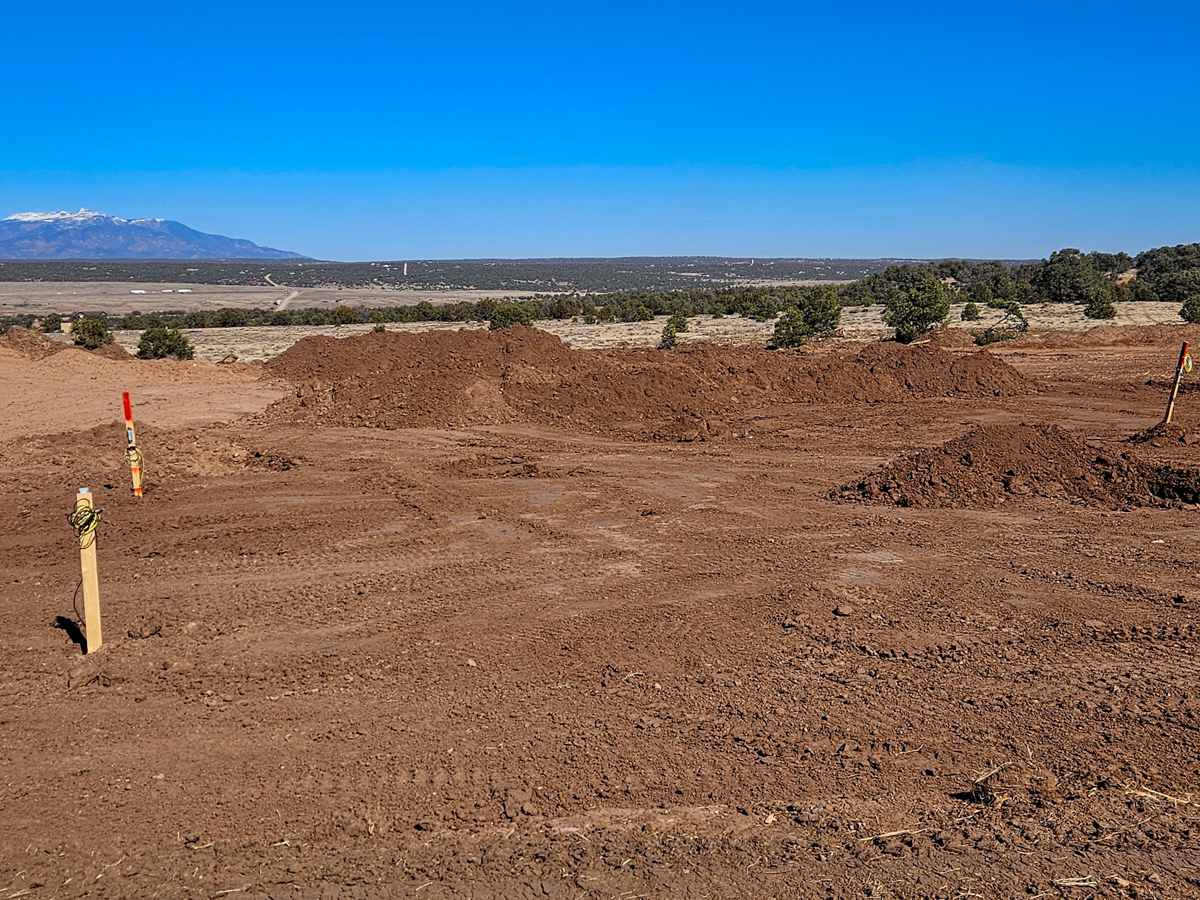
At Jesik Consulting & Engineering we offer a full spectrum of geotechnical and geological services that support projects throughout Pueblo and the surrounding region. Our capabilities include everything from initial site characterization to detailed design recommendations and construction-phase support.
We provide geological suitability and hazard evaluations that consider local formation characteristics. Slope stability engineering helps manage hillside developments and cut slopes along roadways. Retaining wall design addresses both temporary and permanent needs with economical, code-compliant solutions.
Pavement-related services cover new construction, rehabilitation, and ongoing management. We evaluate existing pavements and recommend maintenance strategies that extend service life. Soil stabilization engineering offers viable options when native materials fall short of project requirements.
Electrical resistivity testing supports corrosion evaluations for buried utilities and foundations. Plan review services confirm that final designs conform to the geotechnical report, closing the loop between investigation and construction.
Laboratory testing forms a critical component of our work. Our accredited facility evaluates soils, concrete, asphalt, stone, and other materials with speed and precision. These results feed directly into our engineering analyses and quality control programs.
Field services and special inspections ensure that construction follows the geotechnical recommendations. Our technicians provide on-site testing and observation, documenting compliance and identifying any variations that require attention.
Integrating Geotechnical Insights Across Project Phases in Pueblo
Geotechnical engineering delivers the greatest value when integrated from concept through completion. During planning we help evaluate site feasibility and compare alternative locations. In design we collaborate with structural and civil engineers to develop coordinated foundation, grading, and drainage solutions.
Construction-phase involvement includes observation of foundation excavations, verification of bearing materials, and testing of compacted fill. We monitor conditions as they are exposed and recommend adjustments when variations appear. This real-time feedback keeps projects moving forward without costly surprises.
Post-construction services such as pavement management and forensic evaluations round out our support. When performance questions arise years later, our historical knowledge of the site allows efficient diagnosis and repair recommendations.
This integrated approach reflects our commitment to long-term client relationships. We view each project as an opportunity to deliver ongoing value through consistent, high-quality technical service.
Why Local Geotechnical Expertise Matters for Your Pueblo Project
Local knowledge distinguishes our work in Pueblo. We maintain daily familiarity with the area’s variable soil profiles, groundwater patterns, and construction practices. This proximity enables rapid response times and cost-effective field operations compared with firms based farther away.
Our engineers understand how local materials behave under Pueblo’s climate conditions. Seasonal moisture changes, freeze-thaw cycles, and occasional intense rainfall all influence ground performance. We incorporate these realities into every recommendation rather than relying on generalized regional data.
Being based in downtown Pueblo means we participate in the community we serve. We stay current with local codes, permitting requirements, and development trends. This insight helps clients navigate the approval process smoothly and align their projects with municipal expectations.
Geotechnical Excellence to Ensure Project Success in Pueblo, CO
Geotechnical engineering is not simply a regulatory checkbox—it is the strategic advantage that separates successful projects from those that struggle with unforeseen ground issues. In Pueblo, where subsurface conditions can change rapidly, partnering with experienced local professionals ensures that every structure rests on solid technical footing.
We at Jesik Consulting & Engineering combine technical expertise, state-of-the-art testing capabilities, and genuine commitment to client success. Our multidisciplinary team stands ready to support your next project with the reliable geotechnical services it deserves.
Request a Consultation with Our Geotechnical Team
Ready to move your Pueblo project forward on firm ground? Contact Jesik Consulting & Engineering today to request a consultation. Our team will discuss your site-specific needs and outline a tailored geotechnical approach that protects your investment and keeps your timeline on track. We look forward to partnering with you.
Need Engineering Support for Your Project?
Jesik Consulting & Engineering works with municipalities, utilities, and developers to deliver accurate data, efficient design, and dependable results. Connect with our team to discuss your project requirements.
Like this article? Spread the word!
Related Posts
Good Engineering Isn’t About Spending More Money
Good engineering balances safety and budget. See how cost-effective engineering protects…
Soil & Compaction Testing 101: What Contractors Need to Know Before Pouring
Learn how soil compaction testing works, from Proctor targets to field density tests, and…
How to Prepare a Site for Civil Engineering and Grading Work
Learn how to prepare a site for civil engineering and grading, from soil testing to…